When Logistics Operations Outgrow Their Software
Transportation and fleet businesses often rely on several interconnected applications, devices and data sources.
As operations expand, limitations in these systems can create visibility gaps, inconsistent information and increasingly complex workflows.
Disconnected Systems
Fleet operations, dispatch, tracking, administration and reporting may depend on different applications that do not exchange information reliably.
Limited Operational Visibility
Without consistent data across vehicles, drivers and activities, operations teams can struggle to maintain a clear view of fleet activity.
Complex Driver Workflows
Driver applications must handle real-world scenarios, including changing assignments, intermittent connectivity and synchronization with central systems.
Device & Data Integration
GPS devices, telematics systems, external APIs and business applications can introduce complex integration and data consistency requirements.
Legacy Platform Constraints
Older platforms may become difficult to maintain, extend or adapt as business workflows, reporting needs and integrations evolve.
These challenges often require more than a new interface. They require software architecture that reflects how transportation operations actually work.
Custom Software Solutions for Logistics & Fleet Operations
We engineer custom platforms and connected applications around operational requirements, existing infrastructure and long-term business goals.
Fleet Management Platforms
Develop centralized platforms to support vehicle information, fleet administration, operational activities, alerts and management workflows.
Solutions can be structured for different user roles, organizational models and integration requirements.
Driver Applications & Mobile Workflows
Build driver-facing applications supporting assigned activities, operational updates, data capture and communication with central business systems.
Where required, workflows can incorporate offline data handling and synchronization once connectivity is restored.
Telematics & Connected-Device Integration
Integrate GPS tracking devices, ELD hardware, telematics data sources and third-party systems through appropriate APIs and communication interfaces.
Our engineering focus includes data ingestion, synchronization, processing and making information available to authorized users and applications.
Dispatch & Transportation Workflows
Develop software supporting transportation coordination, trip information, work assignments, operational updates and interactions between dispatch teams and drivers.
The scope of each platform is defined around the client's existing processes and required integrations.
Operational Records & Compliance-Supporting Workflows
Engineer structured driver records, event histories, audit trails and other compliance-sensitive application workflows where required.
Such systems must be evaluated against the applicable regulatory and operational requirements before any compliance claims are made.
Reporting, Dashboards & Enterprise Integration
Create operational dashboards, reporting interfaces and integrations with existing business applications, databases and external services.
The objective is to make relevant operational information more accessible and reduce dependence on disconnected manual processes.
Engineering the Systems Behind Connected Transportation Operations
A logistics platform often needs to connect information across vehicles, devices, mobile applications, internal teams and third-party business systems. The engineering challenge is not simply collecting data. It is organizing information, managing dependencies and ensuring that workflows remain consistent across the platform.
Our approach considers the complete system architecture, from external integrations and data services to application logic, user access and operational interfaces.

Connected Devices & Data Sources
Vehicle devices, GPS hardware, telematics services and external operational systems.

Integration & Synchronization Services
APIs, device communication, data validation, synchronization and processing workflows.

Core Platform & Business Logic
Operational data models, business rules, role-based access, workflow management and application services.

Web & Mobile Applications
Interfaces for operations teams, administrators, fleet managers, drivers and other authorized users.

Reporting & Business Integrations
Operational dashboards, event records, reporting and connections with other enterprise applications.
We design these components according to the actual project requirements rather than imposing a fixed technology stack or one-size-fits-all architecture.
Experience With Fleet Platforms & Connected Systems
Our experience includes custom software involving fleet operations, connected-device information, driver workflows and operational data management.
Below are examples of engineering work relevant to logistics and transportation systems.
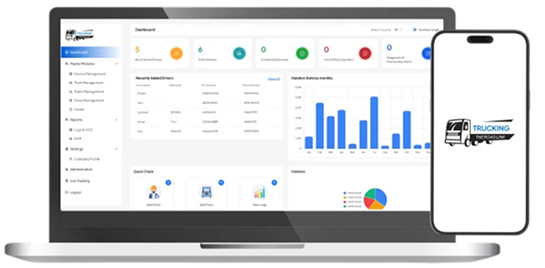
BlackBear – ELD Compliance & Fleet Management Platform
Multi-Tenant Fleet Operations & Connected Device Engineering
Admin Panel & Web Frontend Panel: Angular, Node, MySQL, S3
BlackBear is a custom-engineered ELD compliance and fleet management platform developed to support the operational and regulatory requirements of U.S. trucking businesses.
The solution combines a centralized multi-tenant management system, driver-facing mobile applications and ELD hardware integrations. It supports Hours of Service (HOS) tracking, driver logs, vehicle inspections, device management and structured compliance workflows.
The platform incorporates offline-first mobile functionality, device synchronization, role-based access and fleet administration capabilities to support connected operations across multiple fleets, drivers and vehicles.
Key Engineering Contributions
- Multi-tenant fleet management platform architecture.
- ELD hardware and connected vehicle data integration.
- Hours of Service (HOS) tracking and compliance-related workflows.
- Offline-first driver application and synchronization.
- Driver, vehicle, fleet and device management.
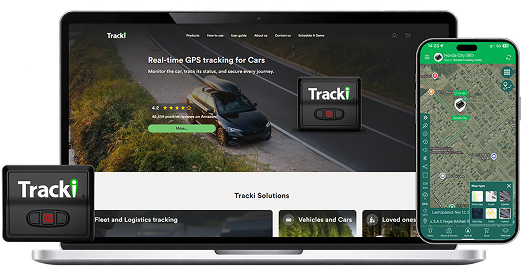
Tracki – GPS Tracking & IoT Location Intelligence Platform
GPS Tracking & IoT Location Intelligence Platform
Admin Panel & Web Frontend Panel: AngularJS, Node, MySQL
A comprehensive GPS tracking and IoT-enabled platform developed to monitor vehicles, people, pets, equipment, and valuable assets across global locations. The solution connects physical GPS tracking devices with cloud-based services and web and mobile applications, enabling location monitoring, movement history, geofencing, SOS alerts, and automated notifications.
Designed for both individual and business users, the platform supports multi-device management, configurable tracking intervals, historical reporting, and location-based intelligence. Qualhon successfully delivered the integrated software ecosystem following a multi-year engineering engagement.
Key Engineering Contributions
- Real-time GPS tracking and location monitoring.
- Multi-device tracking and fleet management.
- Geofencing and instant location alerts.
- Location history and route playback.
- Web and mobile application integration.
Have a Similar Engineering Challenge?
Let's DiscussEngineering Support for Transportation Technology & Operations
We work with businesses whose transportation operations, software products or connected systems require specialized engineering and integration capabilities.

Fleet Technology Companies
Software businesses developing fleet management, connected vehicle and driver-facing platforms.

Logistics & Transportation Operators
Organizations looking to develop or improve applications supporting internal workflows, data visibility and operational coordination.

Telematics & Device Solution Providers
Technology providers needing applications, integration services or operational software around connected-device data.

Established Software Product Companies
Businesses modernizing legacy logistics applications, extending existing platforms or connecting separate systems.
A Structured Approach to Logistics Platform Engineering
Complex operational software requires a clear understanding of the business environment, existing systems and technical dependencies before development begins.
Understand the Operations
Review business objectives, stakeholders, workflows, current applications, external devices and operational constraints.
Define the Technical Approach
Identify architecture requirements, data relationships, integration points, security considerations and implementation priorities.
Develop & Integrate
Build or modernize the necessary platform components, applications and integrations through a structured engineering process.
Test & Validate
Validate application workflows, data consistency, integration behavior, usability and relevant operational scenarios.
Support & Evolve
Address agreed improvements and support further platform development as business and technical requirements evolve.
Building a Stronger Foundation for Transportation Operations
Well-designed operational platforms can help businesses improve how information, processes and teams work together. Depending on the project scope, our engineering work can support the following objectives.

Better Operational Visibility
Bring relevant fleet, vehicle and workflow information into connected interfaces.

More Consistent Data
Improve the way information is exchanged, structured and maintained across applications and integrations.

Reduced Manual Work
Support workflow automation and reduce repetitive activities where suitable.

Greater Platform Flexibility
Create an architecture that is easier to enhance, integrate and adapt to changing business needs.

Improved System Maintainability
Address technical limitations and organize application components for sustainable long-term development.
FREQUENTLY ASKED QUESTIONS
Frequently Asked Questions About Logistics & Fleet Software Development
Important Links

Contact Us
-
Location
Qualhon Informatics Pvt Ltd
Plot No. - 1205C, 2nd Floor,
JLPL Industrial Area, Sector - 82,
S.A.S Nagar, Mohali - Punjab,
India - 140308 -
HR Contact
[email protected] +91-987-681-0340
For Sales and Support queries contact us at:
-
Email
Sales: [email protected] Support: [email protected] -
Phone Number
India: +91-98768-73340